

While creating great content and building quality backlinks remain important, technical SEO forms the essential foundation that enables search engines to properly crawl, index, and rank your website. Without solid technical SEO, even the best content may never reach its ranking potential. Technical SEO encompasses all the behind-the-scenes optimizations that make your site fast, accessible, and easy for search engines to understand. This comprehensive guide will walk you through the critical technical SEO elements that separate high-performing websites from those that struggle in search results.
  <h2>Understanding Technical SEO's Critical Role</h2>
  <p>Technical SEO addresses the technical aspects of your website that affect search engine crawling, indexing, and ranking. While content and links attract attention, technical SEO ensures search engines can access, understand, and serve your content to users. Poor technical SEO creates barriers that prevent search engines from discovering your content, cause slow page speeds that frustrate users and reduce rankings, create indexing issues that keep pages out of search results, and waste crawl budget on irrelevant or duplicate pages.</p>

  <p>Google and other search engines reward websites that provide excellent technical foundations with better rankings, more frequent crawling, increased visibility in search results, and improved user experience signals. Technical SEO improvements often deliver quick wins with measurable impact on rankings and traffic, making it an essential focus area for any serious SEO strategy.</p>

  <h2>Website Architecture and URL Structure</h2>
  <p>Logical, hierarchical website architecture helps both users and search engines navigate and understand your site. Organize content in a clear hierarchy with your homepage at the top level, main category pages at the second level, subcategory pages at the third level, and individual content pages at deeper levels. Ensure important pages sit no more than 3-4 clicks from the homepage—pages buried deep in your architecture receive less authority and are crawled less frequently.</p>

  <p>Create clean, descriptive URLs that clearly indicate page content and incorporate relevant keywords naturally. Effective URL best practices include using hyphens to separate words, keeping URLs as short as possible while remaining descriptive, avoiding unnecessary parameters and session IDs, using lowercase letters consistently, and matching URL structure to site architecture. For example, "yoursite.com/services/web-design" is superior to "yoursite.com/page?id=12345" for both users and search engines.</p>

  <p>Implement breadcrumb navigation showing users their location within your site hierarchy. Breadcrumbs improve user experience, reduce bounce rates, and provide search engines with additional structural signals about your site organization. Mark up breadcrumbs with structured data to enable rich snippet display in search results.</p>

  <h2>Website Speed and Core Web Vitals</h2>
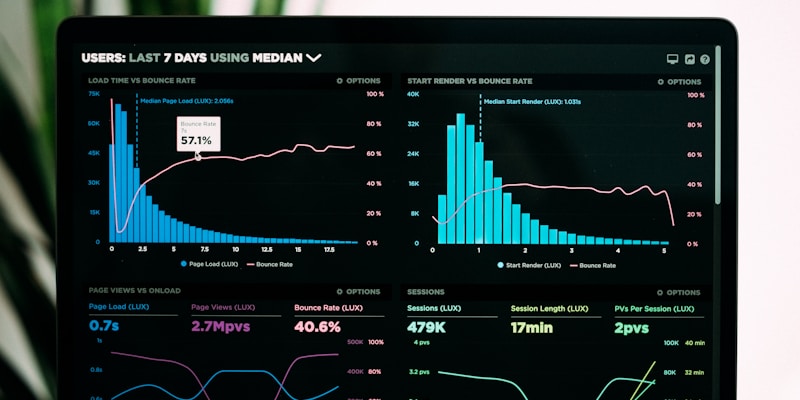
  <p>Page speed significantly impacts both user experience and search rankings, with Google using Core Web Vitals as official ranking factors. Core Web Vitals measure user experience through three key metrics: Largest Contentful Paint (LCP) measures loading performance—aim for LCP under 2.5 seconds; First Input Delay (FID) measures interactivity—target FID under 100 milliseconds; and Cumulative Layout Shift (CLS) measures visual stability—strive for CLS under 0.1.</p>

  <p>Improve your Core Web Vitals and overall page speed through strategic optimization. Optimize images by compressing files using tools like TinyPNG or ShortPixel, implementing lazy loading so images load only when needed, using next-gen formats like WebP, and serving appropriately sized images for different devices. Minimize and compress code by minifying CSS, JavaScript, and HTML files, removing unnecessary code and comments, combining multiple CSS/JS files when possible, and enabling GZIP or Brotli compression on your server.</p>

  <p>Leverage browser caching by setting appropriate cache headers so returning visitors load pages faster, implementing a Content Delivery Network (CDN) to serve content from geographically closer servers, using a caching plugin if you're on WordPress, and preloading critical resources. Optimize server response time by upgrading to quality hosting with adequate resources, using a caching layer like Redis or Memcached, optimizing database queries, and implementing server-side optimization techniques.</p>

  <h2>Mobile Optimization and Mobile-First Indexing</h2>
  <p>Google now uses mobile-first indexing, meaning it primarily uses the mobile version of your content for indexing and ranking. Mobile optimization has evolved from optional to absolutely essential. Implement responsive design that automatically adjusts layout for different screen sizes, test your site across multiple devices and screen sizes, ensure tap targets are large enough and spaced appropriately, make text readable without zooming, and eliminate horizontal scrolling.</p>

  <p>Verify mobile usability using Google Search Console's Mobile Usability report to identify issues, Google's Mobile-Friendly Test tool, manual testing on actual mobile devices, and PageSpeed Insights mobile analysis. Address common mobile issues including intrusive interstitials that block content, tiny font sizes that require zooming, elements too close together, content wider than screen, and slow mobile loading speeds.</p>

  <p>Optimize specifically for mobile users by prioritizing above-the-fold content, minimizing pop-ups and interstitials, simplifying navigation for touch interfaces, making forms mobile-friendly with appropriate input types, and ensuring critical actions are easy to complete on mobile devices. Remember that more than 60% of searches now occur on mobile devices, making mobile optimization critical for SEO success.</p>

  <h2>Crawlability and Indexability</h2>
  <p>Search engines must be able to crawl and index your content before it can rank. Technical issues that block crawling or indexing effectively make your content invisible to search engines. Check your robots.txt file to ensure you're not accidentally blocking important pages, allow access to CSS and JavaScript files necessary for rendering, provide specific guidance for pages you do want to block, and regularly review for unintended blocking.</p>

  <p>Create and optimize an XML sitemap listing all important pages you want indexed, prioritizing pages by importance, updating automatically when content changes, and excluding low-value pages that waste crawl budget. Submit your sitemap through Google Search Console and Bing Webmaster Tools. Use Google Search Console to monitor crawl stats and errors, identify pages that search engines can't access, find and fix server errors, address redirect chains and loops, and monitor crawl budget usage.</p>

  <p>Implement proper pagination for multi-page content series by using rel="next" and rel="prev" tags or consolidated pagination pages, avoiding infinite scroll implementations that hide content from search engines, and ensuring paginated content remains accessible. Fix broken links and 404 errors that waste crawl budget, create poor user experience, prevent link equity from flowing, and signal site quality issues. Regularly audit your site for broken links using tools like Screaming Frog or Ahrefs and set up proper 301 redirects for deleted content.</p>

  <h2>HTTPS and Website Security</h2>
  <p>HTTPS encryption is now a confirmed ranking signal and essential for user trust and security. Implement an SSL certificate to encrypt data transferred between your server and users, boost search rankings with Google's HTTPS ranking signal, increase user trust with the padlock icon, protect sensitive user data, and avoid Chrome's "Not Secure" warnings that hurt conversion rates.</p>

  <p>Migrate to HTTPS properly by obtaining and installing an SSL certificate, implementing 301 redirects from all HTTP versions to HTTPS, updating all internal links to HTTPS, updating external links where possible, informing search engines of the change through Google Search Console, and monitoring for mixed content warnings. After migration, verify that all resources load via HTTPS, update canonical tags to HTTPS versions, update sitemaps with HTTPS URLs, and monitor Google Search Console for any indexing issues.</p>

  <p>Address security beyond HTTPS by keeping software and plugins updated, implementing strong password policies, using security plugins or services, regularly backing up your website, and monitoring for malware or hacking attempts. Security issues can result in search rankings penalties and complete removal from search results.</p>

  <h2>Structured Data and Schema Markup</h2>
  <p>Structured data helps search engines understand your content more accurately and can enable rich results in search displays. Implement schema markup relevant to your content type including Organization schema for business information, LocalBusiness schema for local businesses, Article/BlogPosting schema for blog content, Product schema for e-commerce, Review/Rating schema for reviews, FAQ schema for frequently asked questions, and Event schema for event listings.</p>

  <p>Rich results enabled by structured data improve click-through rates by making your listings stand out, provide additional information directly in search results, communicate content type clearly to search engines, and appear in specialized search features like recipe carousels or event listings. Use JSON-LD format (Google's recommended structured data format), implement schema markup on relevant pages, test implementation with Google's Rich Results Test, and monitor Rich Results reports in Google Search Console.</p>

  <h2>Canonicalization and Duplicate Content</h2>
  <p>Duplicate content confuses search engines about which version to rank and dilutes ranking signals across multiple URLs. Implement canonical tags to specify the preferred version of duplicate or similar pages, consolidate ranking signals to one URL, and prevent duplicate content issues from harming rankings. Use rel="canonical" tags on all pages, pointing to the preferred version (often to themselves) and consistently indicating your preferred URL version.</p>

  <p>Address common duplicate content issues by choosing one preferred domain (www vs non-www) and redirecting the other, handling trailing slashes consistently, consolidating HTTP and HTTPS versions, managing URL parameters properly, and avoiding creating duplicate versions of product pages. Use Google Search Console's URL Parameters tool to inform Google how to handle query parameters, parameter-based sorting and filtering, and session IDs.</p>

  <h2>Internal Linking Strategy</h2>
  <p>Strategic internal linking distributes page authority throughout your site, helps search engines discover and understand content relationships, improves user navigation, and creates clear site architecture signals. Create comprehensive internal linking by linking from high-authority pages to important deeper pages, using descriptive anchor text that indicates target page content, linking to relevant related content naturally within your text, creating hub pages that link to related content clusters, and avoiding excessive internal links that dilute link equity.</p>

  <p>Identify and fix orphan pages with no internal links pointing to them, as these pages are difficult for search engines to discover and receive no internal link equity. Review your site architecture regularly using tools like Screaming Frog to find orphan pages, pages with too few internal links, and opportunities for strategic internal linking improvements.</p>

  <h2>Log File Analysis</h2>
  <p>Server log files reveal exactly how search engine bots interact with your website, providing insights unavailable through other tools. Analyze log files to identify crawl errors and issues bots encounter, understand which pages bots prioritize, discover pages bots visit frequently vs. rarely, find wasted crawl budget on low-value pages, and monitor bot behavior after site changes.</p>

  <p>Tools like Screaming Frog Log File Analyzer, Botify, or OnCrawl process log files to reveal actionable insights. Focus on Googlebot behavior specifically since it drives organic traffic. Identify patterns like pages being crawled but returning errors, high-value pages receiving insufficient crawl attention, bot crawl budget wasted on low-value pages, and response time issues that slow bot crawling.</p>

  <h2>International SEO and Hreflang</h2>
  <p>Websites serving multiple languages or countries face unique technical SEO challenges. Implement hreflang tags to indicate language and regional targeting of different page versions, prevent duplicate content issues across language versions, show users the most relevant language/regional version, and consolidate ranking signals appropriately. Use separate URLs for different language versions (subdomains, subdirectories, or separate domains), implement hreflang tags consistently across all language versions, specify a default page using x-default, and test implementation using Google Search Console's International Targeting report.</p>

  <p>Choose the right URL structure for international sites weighing options like country-code TLDs for strong geographic signals but higher costs, subdirectories for easier management and authority consolidation, and subdomains as a middle ground. Consider your specific needs, resources, and target markets when making this decision.</p>

  <h2>JavaScript SEO</h2>
  <p>Modern websites increasingly rely on JavaScript frameworks like React, Angular, or Vue, creating unique SEO challenges since search engines must render JavaScript to see content. Ensure search engines can access JavaScript-rendered content by implementing server-side rendering (SSR) or pre-rendering for critical content, testing your site with Google's URL Inspection Tool to see what Googlebot renders, avoiding important content or links generated only through JavaScript events, and implementing progressive enhancement with critical content available in HTML.</p>

  <p>Common JavaScript SEO issues include content not visible in HTML source, links not discoverable by crawlers, slow rendering causing indexing issues, and reliance on user interaction to reveal content. Test your JavaScript implementation thoroughly and monitor search performance closely when using heavy JavaScript frameworks.</p>

  <h2>Technical SEO Audit Process</h2>
  <p>Regular technical SEO audits identify and prioritize optimization opportunities. Conduct comprehensive audits covering site crawlability and indexability, page speed and Core Web Vitals, mobile usability, HTTPS implementation and security, structured data implementation, duplicate content and canonicalization, internal linking structure, and XML sitemap accuracy. Use tools like Screaming Frog, Ahrefs Site Audit, SEMrush Site Audit, or Sitebulb to crawl your site and identify issues. Supplement with Google Search Console data, PageSpeed Insights, and manual testing.</p>

  <p>Prioritize issues based on impact and effort required, focusing first on critical issues that completely block indexing or cause severe ranking problems, then high-impact improvements with reasonable implementation effort, followed by important but time-intensive fixes, and finally nice-to-have optimizations. Document findings, implement fixes systematically, and track improvements over time.</p>

  <h2>Common Technical SEO Mistakes</h2>
  <p>Avoid these critical technical SEO errors: blocking important pages or resources in robots.txt, having slow page speeds and poor Core Web Vitals, lacking mobile optimization with mobile-first indexing in effect, using duplicate content without proper canonicalization, having broken internal links that waste crawl budget, implementing incorrect redirects or redirect chains, neglecting to submit and update XML sitemaps, failing to implement HTTPS sitewide, ignoring structured data opportunities, and not regularly auditing technical SEO health.</p>

  <h2>Mastering Technical SEO for Long-Term Success</h2>
  <p>Technical SEO provides the essential foundation for all other SEO efforts. Without proper technical optimization, even the best content and strongest backlink profiles struggle to achieve their potential. Success requires systematic attention to site architecture, speed optimization, mobile functionality, crawlability, security, and structured data implementation, combined with regular audits and continuous improvement.</p>
📚 Continue Learning
This article is part of ThinkMents' complete Local SEO Services resource hub — your go-to guide for dominating DFW search results.
👉 Also read: Content SEO Optimization Guide
Ready to build a rock-solid technical SEO foundation for your website? Contact ThinkMents today for comprehensive technical SEO audits, implementation, and ongoing optimization that drives improved rankings and organic traffic.
Free Resource
Get the Local SEO Checklist
The exact 47-point checklist we use to rank local businesses on Google Maps — yours free, no strings attached.
Download Free Checklist →Last updated October 13, 2026
Keep reading


Topics Covered

Corey Spicer
Founder & CEO, ThinkMents
20+ years pioneering digital marketing innovation. Helped generate $500M+ in client value. Google Partner building solutions that don't exist yet.
Found this helpful?
Share this article with your network
Ready to grow?
Work directly with Corey Spicer
Free 30-min strategy session. No pitch — just honest advice tailored to your business.