
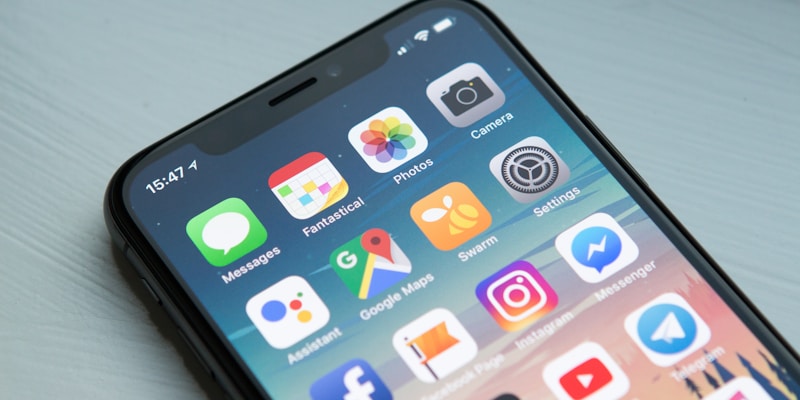
Mobile traffic now exceeds desktop traffic globally, with over 60% of web browsing occurring on mobile devices. Mobile-first design—designing for mobile screens first, then progressively enhancing for larger displays—has evolved from progressive approach to essential standard. Google's mobile-first indexing means your mobile experience directly impacts search rankings, making mobile optimization critical for both user experience and SEO. This comprehensive guide teaches mobile-first design principles and optimization strategies for creating exceptional mobile experiences.
  <h2>Understanding Mobile-First Methodology</h2>
  <p>Mobile-first design inverts traditional web design workflow by starting with the most constrained environment and progressively enhancing for larger screens. This approach forces prioritization of essential content and features, eliminates unnecessary elements, creates naturally faster experiences, and ensures mobile users receive full experiences rather than degraded desktop versions. Design mobile layouts first, then expand for tablets and desktops rather than shrinking desktop designs for mobile.</p>

  <h2>Optimizing Touch Interfaces</h2>
  <p>Mobile users interact through touch rather than mouse clicks, requiring different interface considerations. Optimize for touch by ensuring tap targets are at least 44x44 pixels (Apple recommendation) or 48x48dp (Android), providing adequate spacing between tappable elements, designing for thumb-reach zones with important actions easily accessible, implementing obvious touch feedback on interactions, and avoiding hover-dependent functionality. Test designs on actual devices to ensure touch targets feel comfortable and accurate.</p>

  <h2>Mobile Navigation Patterns</h2>
  <p>Effective mobile navigation balances accessibility with screen space constraints. Implement mobile navigation through hamburger menus for extensive navigation structures, tab bars for primary navigation options, bottom navigation for easy thumb access, progressive disclosure revealing subcategories on demand, and sticky headers keeping navigation accessible while scrolling. Prioritize the most important navigation options and minimize menu depth where possible.</p>

  <h2>Mobile Performance Optimization</h2>
  <p>Performance critically impacts mobile user experience and SEO. Mobile users often have slower connections and less powerful devices than desktop users. Optimize mobile performance by compressing and optimizing images aggressively, implementing lazy loading for below-the-fold content, minimizing JavaScript execution, leveraging browser caching, using content delivery networks, and prioritizing above-the-fold content loading. Target Core Web Vitals benchmarks specifically on mobile devices where performance challenges are greatest.</p>

  <h2>Responsive Images and Media</h2>
  <p>Images and media require special attention in mobile-first design. Implement responsive media using srcset and sizes attributes for responsive images, picture element for art direction across breakpoints, next-gen formats like WebP for smaller file sizes, appropriate image dimensions for actual display sizes, and video optimization with mobile-appropriate codecs and resolutions. Serve appropriately sized assets for each device to avoid wasting bandwidth and slowing loading.</p>

  <h2>Mobile Typography and Readability</h2>
  <p>Readable typography is essential on small screens where reading conditions vary widely. Optimize mobile typography by using minimum 16px font size for body text, ensuring sufficient line height (1.5-1.6), limiting line length to 50-75 characters, providing adequate contrast for outdoor readability, using system fonts for performance, and testing readability in various lighting conditions. Prioritize legibility over decorative typefaces on mobile.</p>

  <h2>Mobile Forms and Input</h2>
  <p>Form completion on mobile devices presents unique challenges. Optimize mobile forms by minimizing required fields, using appropriate input types (email, tel, number) for optimized keyboards, implementing autofill support, providing clear inline validation, using mobile-friendly date pickers, enabling biometric authentication where appropriate, and breaking long forms into multiple steps. Every field eliminated increases form completion rates significantly on mobile.</p>

  <h2>Testing Mobile Experiences</h2>
  <p>Comprehensive testing ensures mobile experiences work across the diverse mobile ecosystem. Test thoroughly using actual devices across different operating systems and screen sizes, browser testing tools like BrowserStack, Google's Mobile-Friendly Test, responsive design mode in developer tools, and various network speeds including slow 3G. Emulators provide quick feedback but never replace testing on real devices.</p>

  <h2>Create Exceptional Mobile Experiences</h2>
  <p>Mobile-first design ensures users receive optimal experiences regardless of device. Success requires designing for mobile constraints first, optimizing aggressively for touch and performance, implementing responsive layouts thoughtfully, testing extensively across devices, and continuously refining based on mobile analytics and user feedback.</p>
📚 Continue Learning
This article is part of ThinkMents' complete Web Design Services resource hub — your go-to guide for dominating DFW search results.
👉 Also read: Web Design Trends 2025
Ready to create mobile experiences that delight users and drive conversions? Contact ThinkMents today for expert mobile-first design and development that delivers exceptional mobile experiences.
Free Resource
Get the Local SEO Checklist
The exact 47-point checklist we use to rank local businesses on Google Maps — yours free, no strings attached.
Download Free Checklist →Topics Covered

Corey Spicer
Founder & CEO, ThinkMents
20+ years pioneering digital marketing innovation. Helped generate $500M+ in client value. Google Partner building solutions that don't exist yet.
Found this helpful?
Share this article with your network
Ready to grow?
Work directly with Corey Spicer
Free 30-min strategy session. No pitch — just honest advice tailored to your business.