
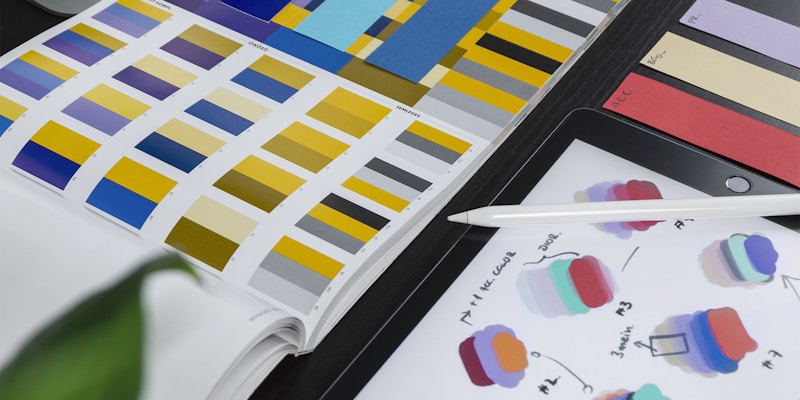
Web design continues evolving at a rapid pace, driven by technological advancement, changing user expectations, and new creative possibilities. Staying current with design trends helps businesses create modern, engaging websites that capture attention, build credibility, and drive conversions. This comprehensive guide explores the key web design trends shaping 2025 and beyond, helping you make informed decisions about your website's design direction.
  <h2>AI-Powered Personalization</h2>
  <p>Artificial intelligence is revolutionizing web personalization by dynamically customizing content, layouts, and recommendations based on individual user behavior, preferences, and context. AI enables real-time content personalization, predictive user experience optimization, intelligent chatbots and virtual assistants, automated A/B testing and optimization, and personalized product recommendations. Implement AI personalization thoughtfully, balancing customization with privacy concerns and ensuring fallback experiences for users who opt out.</p>

  <h2>Immersive 3D and Interactive Elements</h2>
  <p>Three-dimensional design elements and interactive experiences create engaging, memorable websites that stand out from flat, static competitors. Modern browsers and improved performance enable widespread 3D implementation including interactive 3D product viewers, parallax scrolling effects, animated illustrations and micro-interactions, scroll-triggered animations, and WebGL-powered visual experiences. Implement 3D elements strategically where they enhance user experience rather than distract, ensure fast loading despite visual richness, and provide alternative experiences for users on older devices.</p>

  <h2>Minimalism and Clean Interfaces</h2>
  <p>Minimalist design continues dominating modern web design, emphasizing clarity, simplicity, and user-focused experiences. Clean designs reduce cognitive load, improve focus on key content and actions, load faster with fewer elements, and create timeless aesthetics that age well. Implement minimalism through generous whitespace, limited color palettes, simple typography, clear visual hierarchy, and prominent CTAs without distraction. Balance minimalism with personality—clean doesn't mean boring or generic.</p>

  <h2>Dark Mode and Theme Switching</h2>
  <p>Dark mode has evolved from novelty to expectation, with users increasingly preferring darker interfaces for reduced eye strain and battery savings on OLED screens. Implement effective dark mode by designing for both light and dark themes from the start, respecting user system preferences automatically, allowing manual theme toggling, ensuring sufficient contrast for readability, and testing thoroughly across both modes. Consider offering multiple theme options beyond just light and dark for additional personalization.</p>

  <h2>Bold Typography and Variable Fonts</h2>
  <p>Typography plays an increasingly prominent role in modern web design, with bold, creative type treatments creating immediate visual impact. Variable fonts enable dynamic typography that adapts to different contexts, screen sizes, and design needs while maintaining performance. Use typography strategically through oversized headlines that create impact, variable fonts for flexible responsive design, custom fonts that reinforce brand identity, creative text layouts and hierarchy, and animated text effects that draw attention. Ensure typography remains readable across devices while making bold statements.</p>

  <h2>Micro-Animations and Micro-Interactions</h2>
  <p>Subtle animations and interactive feedback create delightful user experiences that feel polished and responsive. Effective micro-interactions include hover state changes, button click feedback, loading animations, form validation feedback, scroll-triggered reveals, and progress indicators. These small details dramatically improve perceived performance, provide clear feedback, guide user actions, and create memorable experiences. Implement animations purposefully, ensuring they enhance rather than distract from core functionality.</p>

  <h2>Mobile-First and Responsive Excellence</h2>
  <p>With mobile traffic dominating web usage, mobile-first design has become essential rather than optional. Design for mobile screens first, then enhance for larger displays. Ensure touch-friendly interface elements, fast mobile loading speeds, simplified navigation for small screens, and thumb-friendly layout for one-handed use. Test extensively across real devices and ensure experiences work flawlessly regardless of screen size or input method.</p>

  <h2>Accessibility and Inclusive Design</h2>
  <p>Accessible design ensures websites work for all users regardless of abilities or assistive technologies. Implement accessibility through proper semantic HTML structure, sufficient color contrast ratios, keyboard navigation support, screen reader compatibility, alternative text for images, and clear focus indicators. Accessibility isn't just ethical—it improves SEO, expands your audience, and often improves the experience for all users. Build accessibility in from the start rather than retrofitting later.</p>

  <h2>Asymmetrical Layouts and Broken Grids</h2>
  <p>Breaking free from traditional grid systems, asymmetrical layouts create visual interest and direct attention strategically. Asymmetric design includes overlapping elements, off-grid positioning, varied content sizes and shapes, unexpected layouts that surprise users, and creative use of whitespace. Balance asymmetry with usability, ensuring layouts remain intuitive despite unconventional structures. Test thoroughly to ensure asymmetric designs work across screen sizes.</p>

  <h2>Video Backgrounds and Motion</h2>
  <p>Video content creates immediate engagement and communicates messages quickly and memorably. Modern video implementation includes hero video backgrounds, product demonstration videos, testimonial videos, animated backgrounds, and cinemagraphs (subtle motion in otherwise static images). Optimize video for web performance, provide fallbacks for slow connections, ensure videos don't interfere with core content, and include controls where appropriate.</p>

  <h2>Glassmorphism and Depth</h2>
  <p>Glassmorphism creates depth through frosted glass effects, translucent layers, and subtle shadows. This design trend adds visual interest while maintaining clarity. Implement glassmorphism through semi-transparent backgrounds with blur, layered elements creating depth, subtle shadows and highlights, and light color palettes. Use glassmorphism selectively for maximum impact without overwhelming users.</p>

  <h2>Sustainable and Performance-Focused Design</h2>
  <p>Growing awareness of web sustainability drives focus on efficient, performant design that minimizes energy consumption. Sustainable design includes optimized images and assets, efficient code and minimal JavaScript, dark modes reducing screen energy, fast loading reducing server load, and minimalist design reducing data transfer. Performance-focused design benefits both environment and user experience through faster loading and improved mobile experiences.</p>

  <h2>Voice User Interfaces and Conversational Design</h2>
  <p>Voice interaction is expanding beyond smart speakers into web experiences. Design for voice includes voice search optimization, voice-activated navigation, conversational interfaces, and accessibility for voice users. Consider how users might interact with your site through voice commands and ensure key actions remain accessible through voice input.</p>

  <h2>Implementing Trends Strategically</h2>
  <p>While staying current with trends is important, blindly following every trend creates inconsistent, dated experiences. Implement trends strategically by evaluating trends against your brand identity, considering your specific audience preferences, balancing trendiness with timelessness, prioritizing usability over aesthetics, and testing with real users before full implementation. Successful design blends current trends with timeless principles, creating experiences that feel modern without feeling fleeting.</p>

  <h2>Create a Modern, Effective Website</h2>
  <p>Web design trends in 2025 emphasize personalization, interactivity, performance, and inclusivity. Success requires balancing cutting-edge techniques with fundamental design principles, implementing trends that serve your specific audience, and continuously evolving your design as technologies and expectations change.</p>
📚 Continue Learning
This article is part of ThinkMents' complete Web Design Services resource hub — your go-to guide for dominating DFW search results.
👉 Also read: Mobile-First Design Guide
Ready to create a modern website that leverages the latest design trends while driving business results? Contact ThinkMents today for expert web design that combines current trends with timeless effectiveness.
Free Resource
Get the Local SEO Checklist
The exact 47-point checklist we use to rank local businesses on Google Maps — yours free, no strings attached.
Download Free Checklist →Topics Covered

Corey Spicer
Founder & CEO, ThinkMents
20+ years pioneering digital marketing innovation. Helped generate $500M+ in client value. Google Partner building solutions that don't exist yet.
Found this helpful?
Share this article with your network
Ready to grow?
Work directly with Corey Spicer
Free 30-min strategy session. No pitch — just honest advice tailored to your business.